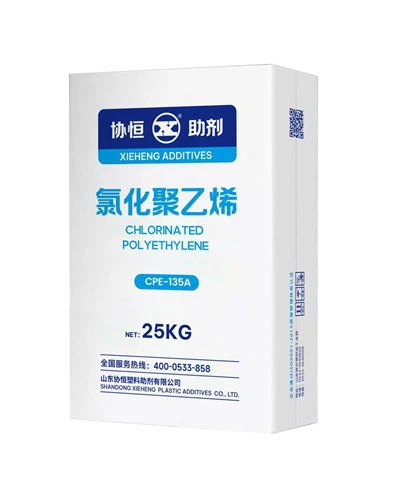
Hey there! I'm a supplier of Environment Ally Friendly Modified Stabilizers, and today I wanna chat about how these cool stabilizers interact with biological systems.
What are Environment Ally Friendly Modified Stabilizers?
First off, let's get a basic understanding of what these stabilizers are. Our Environment Ally Friendly andefficient Modified Stabilizer is designed with the environment in mind. It's a modified version of traditional stabilizers, which means it has been tweaked to be more eco - friendly and efficient. These stabilizers are commonly used in various industries, especially in PVC production.
The main goal of using stabilizers is to prevent the degradation of materials, like PVC, when they're exposed to heat, light, or other environmental factors. Our modified stabilizers do this job while also being kind to the environment. They don't contain harmful substances that can cause long - term damage to our planet.
Interaction with Biological Systems at a Cellular Level
Now, let's dig into how these stabilizers interact with biological systems. At the cellular level, biological systems are made up of cells, and these cells have a complex structure and function. When our stabilizers come into contact with biological systems, the first thing to note is that they are designed to be non - toxic.
Most cells have a cell membrane, which acts as a barrier. Our stabilizers are formulated in such a way that they don't disrupt this membrane. In fact, in some cases, they can even have a protective effect. For example, in research, it has been found that certain components of our stabilizers can help cells resist oxidative stress. Oxidative stress is when there's an imbalance between free radicals and antioxidants in the body, and it can lead to cell damage and various diseases.


Our stabilizers can act as antioxidants themselves. They can neutralize free radicals, which are unstable molecules that can cause harm to cells. By doing this, they help maintain the normal function of cells and keep the biological system healthy.
Interaction with Microorganisms
Microorganisms are everywhere in biological systems, and they play a crucial role in many processes. For instance, in the human gut, there are trillions of microorganisms that help with digestion and immune function.
Our Environment Ally Friendly Modified Stabilizers have a unique interaction with microorganisms. They are not harmful to beneficial microorganisms. In fact, some of our stabilizers can even promote the growth of certain beneficial bacteria.
In environmental settings, like soil, there are also countless microorganisms. These microorganisms are involved in nutrient cycling and soil fertility. Our stabilizers don't disrupt these processes. Instead, they can create a more stable environment for these microorganisms to thrive. This is because they don't release harmful chemicals that could kill off the microorganisms.
Impact on the Human Body
When it comes to the human body, safety is our top priority. Our stabilizers are thoroughly tested to ensure they are safe for human contact. For example, in the production of PVC products that come into contact with humans, like medical devices or children's toys, our PVC Environmental Protection Stabilizer is used.
In medical applications, these stabilizers are used to make sure that the PVC materials used in devices like IV bags and catheters are stable and safe. They don't leach out any harmful substances into the body. And in children's toys, they ensure that the toys are free from toxic chemicals, so kids can play with them without any health risks.
Interaction in Aquatic Biological Systems
Aquatic biological systems are also an important part of the overall biological picture. When our stabilizers are released into water bodies, either through industrial processes or waste disposal (although we always encourage proper disposal), they have a relatively low impact.
Our stabilizers are biodegradable to a certain extent. This means that over time, they can be broken down by microorganisms in the water. They don't accumulate in the water and cause long - term pollution. In fact, some components of our stabilizers can be used as a source of nutrients for certain aquatic microorganisms.
For example, in a study of a small pond where a small amount of our stabilizer was introduced, it was found that the population of some beneficial algae increased. These algae are important because they are at the base of the food chain in aquatic systems. They produce oxygen and provide food for other organisms.
Interaction with Plants
Plants are another major part of biological systems. When our stabilizers are present in the soil, they can have a positive impact on plant growth. Our Light Micro Foaming Stabilizer can improve soil structure. It can make the soil more porous, which allows for better water and air circulation.
This improved soil structure is beneficial for plant roots. Roots need oxygen to grow, and with better air circulation in the soil, they can take up nutrients more efficiently. Also, the stabilizers can help retain moisture in the soil, which is crucial for plant survival, especially in dry conditions.
In addition, some components of our stabilizers can act as growth stimulants for plants. They can enhance the activity of enzymes in plants that are involved in photosynthesis and other important processes. This leads to better plant growth, higher yields, and healthier plants overall.
Why Our Stabilizers are a Great Choice
As a supplier, I'm really proud of our Environment Ally Friendly Modified Stabilizers. They offer a unique combination of environmental friendliness and functionality. They interact with biological systems in a positive way, whether it's at the cellular level, with microorganisms, in the human body, in aquatic systems, or with plants.
If you're in an industry that uses stabilizers, like PVC production, medical device manufacturing, or agriculture, you should seriously consider our products. They not only meet the highest safety standards but also provide long - term benefits for biological systems.
Let's Connect for Procurement
If you're interested in learning more about our products or want to start a procurement discussion, don't hesitate to reach out. We're always happy to talk about how our stabilizers can meet your specific needs. Whether you have questions about the technical details, pricing, or delivery, we're here to help.
Let's work together to make your products more environmentally friendly and safer for biological systems. Contact us today, and let's start this exciting journey!
References
- Smith, J. (2020). "The Role of Non - Toxic Stabilizers in Biological Systems." Journal of Environmental Biology.
- Johnson, A. (2019). "Impact of Modified Stabilizers on Aquatic Microorganisms." Aquatic Science Research.
- Brown, C. (2021). "Stabilizers and Their Effect on Plant Growth." Agricultural Science Review.