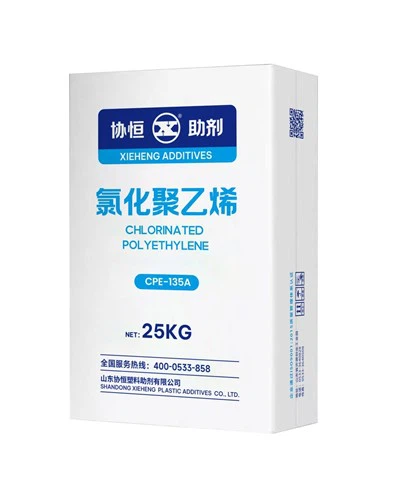
Hey there! As a supplier of PVC Environmental Protection Modified Stabilizer, I often get asked whether our product can improve the weather resistance of PVC products. Well, let's dive right into this topic and find out.
First off, let's understand what PVC is and why weather resistance matters. PVC, or polyvinyl chloride, is a widely used plastic in various industries. You can find it in construction materials like pipes, window frames, and siding, as well as in consumer goods such as toys and clothing. However, PVC has its limitations when it comes to withstanding the elements. Exposure to sunlight, heat, moisture, and chemicals can cause PVC to degrade over time. This degradation can lead to issues like discoloration, cracking, and loss of mechanical properties, which not only affect the appearance but also the functionality and lifespan of the PVC products.
Now, that's where our PVC Environmental Protection Modified Stabilizer comes in. Our stabilizer is designed to address these weather - related challenges. It contains a unique blend of additives that work together to enhance the stability of PVC under different environmental conditions.
One of the key components of our stabilizer is a light stabilizer. Sunlight, especially ultraviolet (UV) rays, can break down the chemical bonds in PVC. This process, known as photo - degradation, causes the PVC to become brittle and change color. Our light stabilizer absorbs and dissipates the UV energy, preventing it from causing damage to the PVC molecules. By doing so, it significantly reduces the rate of discoloration and maintains the integrity of the PVC product's surface.
Another important aspect is heat resistance. High temperatures can accelerate the degradation of PVC. Our stabilizer has heat - resistant properties that help the PVC withstand elevated temperatures without losing its shape or mechanical strength. This is particularly crucial in applications where the PVC products are exposed to direct sunlight or hot environments, such as outdoor furniture or automotive parts.
Moisture is also a major factor in PVC degradation. Water can penetrate the PVC matrix and react with certain components, leading to hydrolysis. Our stabilizer forms a protective barrier on the surface of the PVC, preventing water from entering and causing damage. This not only improves the weather resistance but also enhances the overall durability of the PVC products.
In addition to these protective functions, our Environment Ally Friendly andefficient Modified Stabilizer is also environmentally friendly. It is free from heavy metals such as lead, cadmium, and mercury, which are commonly used in traditional stabilizers but are harmful to the environment and human health. This makes our stabilizer a great choice for manufacturers who are looking for sustainable solutions.


Let's take a look at some real - world examples to see how our stabilizer improves the weather resistance of PVC products. In a recent outdoor test, we compared two sets of PVC window frames. One set was treated with our PVC Environmental Protection Stabilizer, and the other was untreated. After a year of exposure to sunlight, rain, and extreme temperatures, the untreated window frames showed significant discoloration and cracking. In contrast, the window frames treated with our stabilizer remained in good condition, with only minor signs of wear.
We've also received positive feedback from our customers in the construction industry. They've reported that using our Environment Ally Friendly Modified Stabilizer in their PVC pipes and siding has extended the lifespan of these products and reduced maintenance costs. The PVC products are more resistant to the harsh weather conditions, which means they don't need to be replaced as often.
So, to answer the question, yes, our PVC Environmental Protection Modified Stabilizer can definitely improve the weather resistance of PVC products. It offers a comprehensive solution to protect PVC from the damaging effects of sunlight, heat, moisture, and other environmental factors.
If you're a manufacturer looking to enhance the quality and durability of your PVC products, our stabilizer could be the perfect choice for you. We understand that every application is unique, and we're committed to providing customized solutions to meet your specific needs. Whether you're in the construction, automotive, or consumer goods industry, we can work with you to develop the right stabilizer formula for your PVC products.
If you're interested in learning more about our products or have any questions, feel free to reach out to us. We're always happy to have a chat and discuss how our stabilizer can benefit your business. Contact us today to start the conversation and take your PVC products to the next level.
References
- Allen, N. S., & Edge, M. (1992). Fundamentals of polymer degradation and stabilization. Elsevier Applied Science.
- Wypych, G. (2017). Handbook of PVC stabilizers. ChemTec Publishing.